
Hardware is often left until late in a project, treated as a finishing touch rather than a genuine design decision. In practice, the knobs, handles, pulls, hinges and backplates a client touches every day deserve the same early thinking as joinery, lighting and other fixed elements of a scheme.
Why touch matters as much as looks
Door handles and cupboard knobs are some of the most physically interacted-with elements in any interior. 'Every time you push open a door or slide a drawer shut, you get an immediate sense of how the hardware feels,' says Stewart Kent, Courtyard co-founder. 'Is it weighty and firm, or flimsy and loose? Does it move precisely, or does it feel imprecise and cheap?' That physical impression shapes a client's confidence in the whole scheme, which is why quality of feel is worth weighing as carefully as finish or style when specifying.

How hardware affects proportion
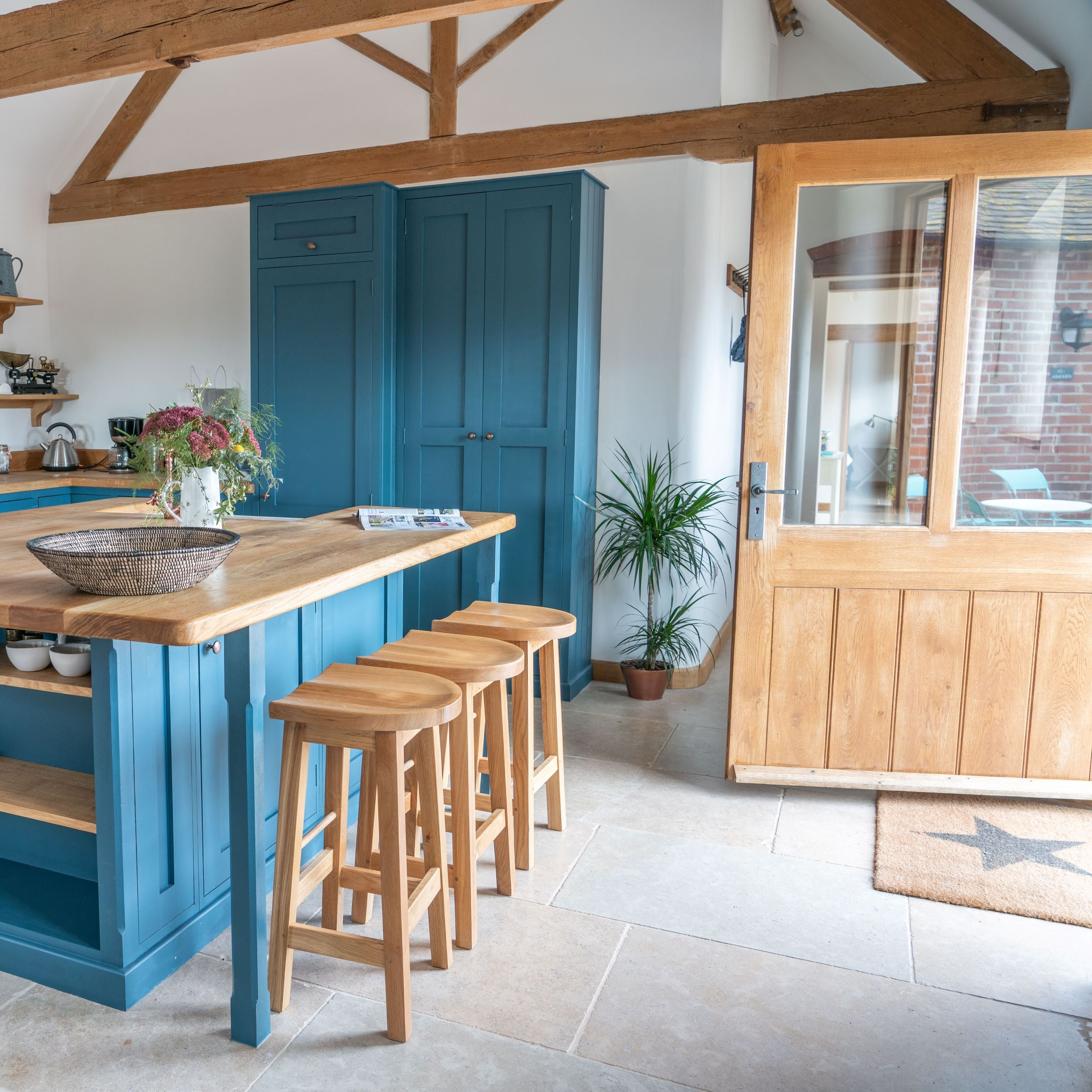
Hardware choices can shift how a space reads. An elongated pull, a slim handle or an oversized knob can make a run of cabinetry, a wardrobe or a drawer appear taller, wider or more considered, without touching the joinery itself. 'Repeated elements, such as a series of door handles or a run of cupboard knobs, create rhythm within a scheme,' says Stewart. 'It's a straightforward way to give architectural features more presence.'

Finish and longevity
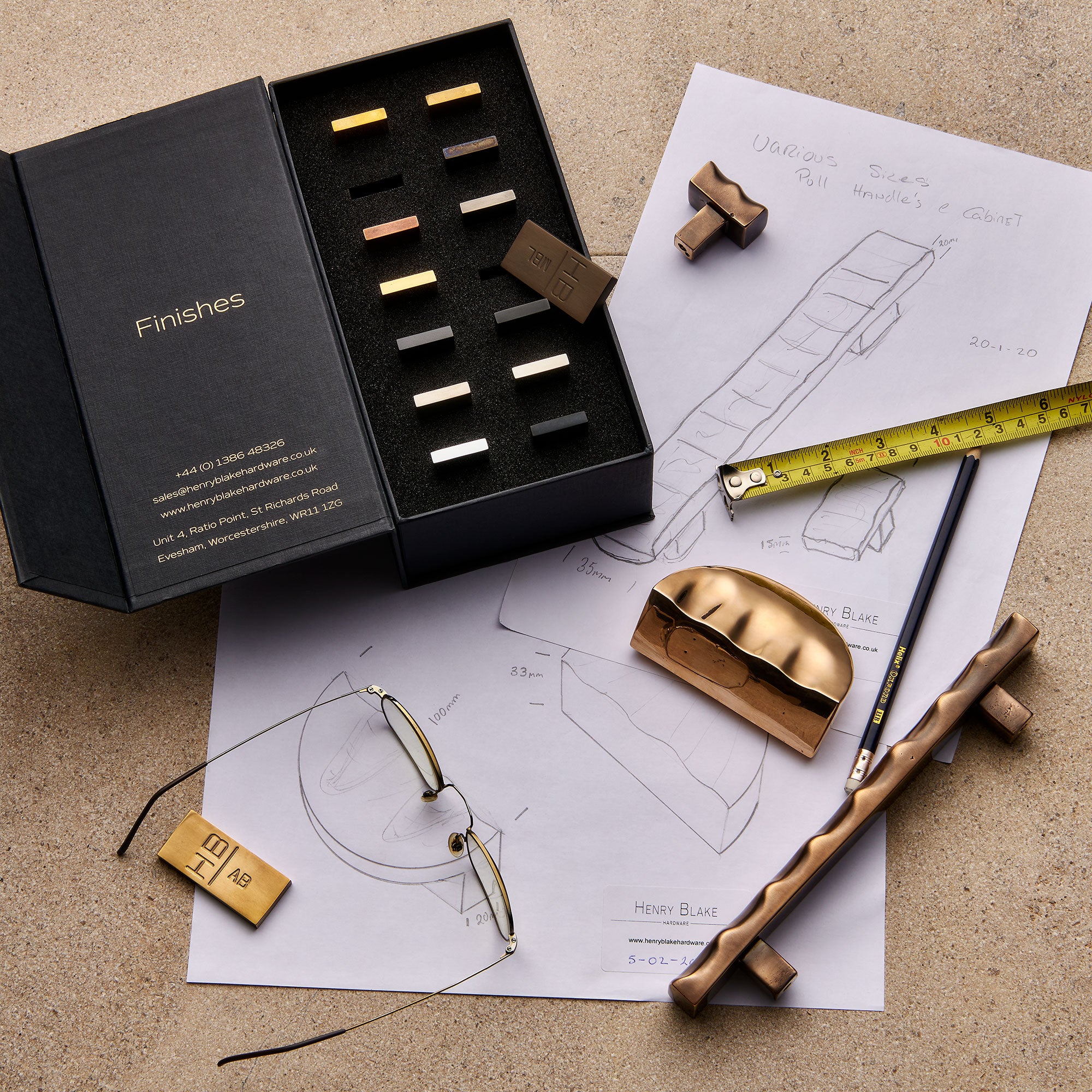
Finish is a practical specification decision as much as an aesthetic one. Lacquered and plated finishes are designed to hold a consistent appearance over time; unlacquered brass, nickel and bronze are living finishes that develop a patina with handling and use. Neither is right or wrong. The choice depends on the client's expectations and the maintenance they're prepared to commit to, and it's worth setting that expectation clearly at the point of specification.

Mixing and layering hardware
Fully co-ordinated schemes, where every piece matches, still have their place. Increasingly, though, designers are mixing finishes, styles and eras within a single scheme, relating pieces by scale and detailing rather than matching them exactly. 'Think of hardware as complementing the wider architecture and joinery, rather than choosing each piece in isolation,' says Stewart. A 60:30:10 split, a dominant finish, a secondary one and a small accent, is a reliable way to keep a mixed scheme feeling coherent rather than random. Warm and cool tones, brass alongside chrome for example, can work well together when the balance is right.
Specify early
Leaving hardware decisions until late in a project narrows your options, can push up costs, and increases the risk of a mismatch with the wider scheme. 'There are technical considerations, door thickness, locking function, lead times, that are much easier to resolve early than at the last minute,' says Stewart. 'Specifying hardware alongside lighting and joinery, rather than after, tends to produce a better result across the board.' Where time is tight, our Courtyard Express range is ready to ship in as little as 2 to 4 days. With access to a wide range of hardware brands and styles, our team can advise on what's achievable within your timeframe, and flag where lead times need building into the programme.