

Hardware is often one of the last decisions made on a project. It should be one of the first. The finish on a lever handle, the profile of a window fitting, the weight of a cabinet pull: these are details people encounter every day, and when they are aligned throughout a space, the result feels considered in a way that is difficult to articulate but immediately apparent.
Formani has built its offer around exactly this idea. We spoke to the team about their total concept approach, the finishes gaining traction with architects and designers, and what drives their collaborations with leading design studios.
Specification without compromise: the total concept approach
Formani offers 19 total concept collections spanning door, window and furniture hardware, locks, hinges and related details. What does that breadth mean in practice for an architect specifying a project?
For an architect or interior designer, that breadth means they can approach hardware as an integrated part of the overall design concept, rather than as a series of separate functional decisions.
In practice, a total concept collection allows the same design language, finish and detailing to continue across doors, windows, furniture, accessories and other architectural touchpoints. This creates a much calmer and more consistent result, especially in projects where every detail contributes to the overall atmosphere.
Hardware may be small in scale, but it is experienced very directly. It is one of the few elements people physically touch every day. When those details are aligned throughout a project, they support the architecture rather than interrupt it.
"Hardware may be small in scale, but it is experienced very directly. It is one of the few elements people physically touch every day."
How do you see specifiers using the total concept approach differently from selecting hardware piece by piece?
When hardware is selected piece by piece, the focus is often on solving individual needs: one handle for the door, another solution for furniture, a different finish for windows or accessories. That can work functionally, but it often creates subtle inconsistencies in proportion, finish, colour or character.
With a total concept approach, specifiers start from the wider design intent. They can select a collection that reflects the atmosphere of the project, whether that is minimal, architectural, sculptural or more expressive, and then continue that same language across different applications.
This consistency can extend beyond the visible touchpoints throughout the interior. Even on the door itself, specifiers can coordinate the colour and finish of the lever handle with the lock and hinges, creating a more complete and considered result. It also makes the process more efficient: architects and designers do not need to search for matching elements from different suppliers or compromise on consistency. The collection already provides a coherent framework, while still allowing flexibility across product types and project requirements.

Finish trends: why bronze is becoming the new black
You've mentioned bronze finishes performing particularly well. What's driving that shift toward warmer metallic tones in interiors?
For a long time, black hardware has been a popular choice for its strong, graphic and contemporary character. It works particularly well in minimal and architectural interiors, where it creates definition and a clear sense of contrast.
Alongside this, there is a growing interest in warmer finishes that bring more depth, tactility and nuance to an interior. Bronze responds to this in different ways. Formani's matte dark bronze powder-coated finish has a deep, understated appearance and offers a softer alternative to black while retaining a strong architectural character. PVD light bronze has a lighter and more refined expression: its subtle metallic quality adds warmth and depth without becoming dominant, making it well suited to interiors with natural materials, earthy colour palettes and layered textures.
Rather than replacing black, these bronze finishes broaden the possibilities available to architects and designers. Each finish creates a distinct atmosphere, allowing the hardware to support the material language and overall character of the project.
"Rather than replacing black, these bronze finishes broaden the possibilities available to architects and designers. Each finish creates a distinct atmosphere."
You've recently launched PVD champagne. What inspired this finish, and where does it sit within that warmer direction?
PVD champagne was developed in response to a broader shift in contemporary interiors, where strong contrast is increasingly making way for nuance, material continuity and refinement. Positioned between the cooler character of stainless steel and the richer tones of gold and bronze, it offers a warm, desaturated metallic finish that feels subtle rather than expressive.
Its strength lies in the way it responds to its surroundings. The brushed stainless-steel base remains visible beneath the finish, preserving a refined linear texture and giving the surface depth and tactility. Depending on the light, the tone can appear warmer or more neutral, allowing it to adapt naturally to different materials and environments without becoming dominant.
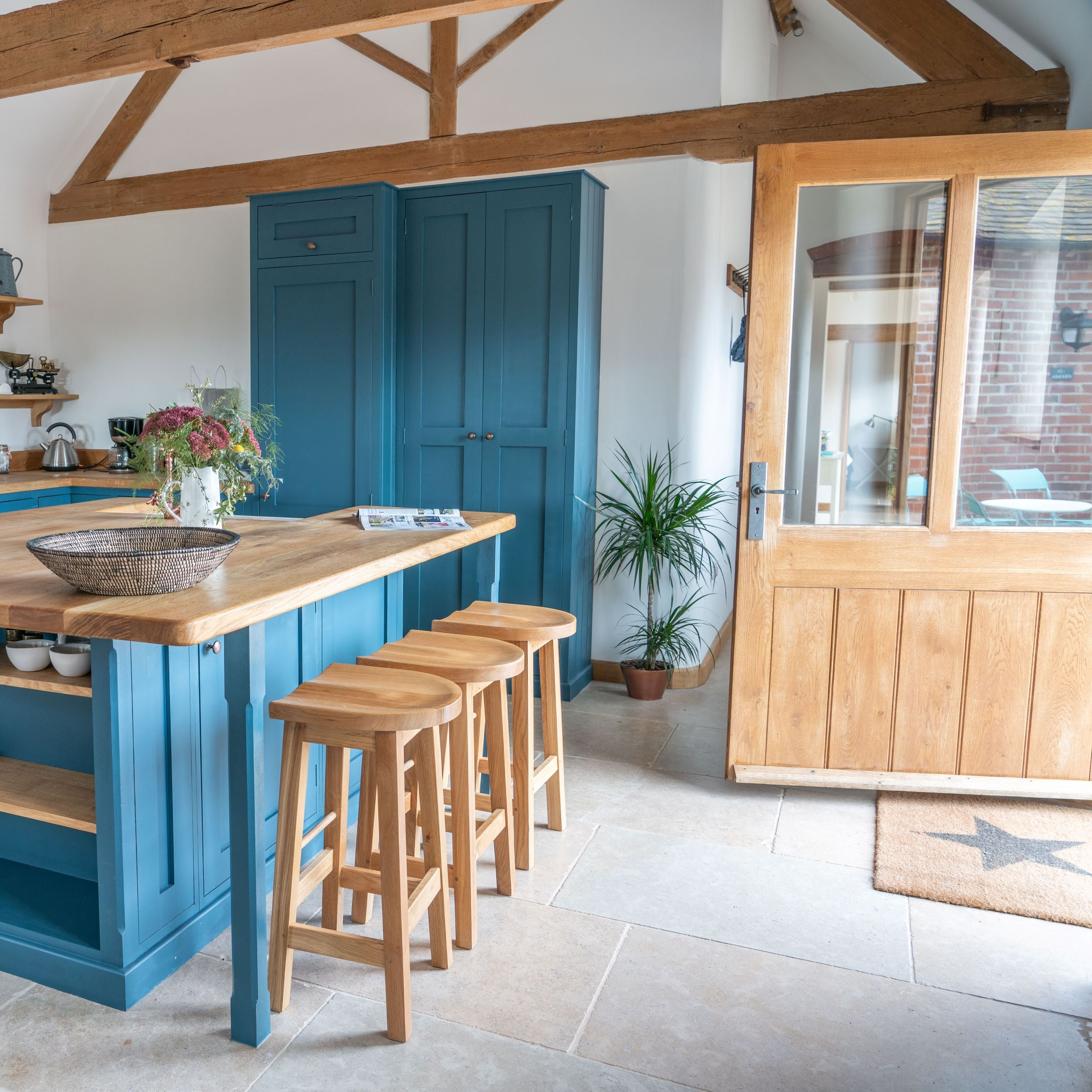
PVD champagne works particularly well alongside wood, natural stone, warm neutrals and soft textiles. Rather than interrupting these materials, it creates a connecting layer between them, helping to bring more calm and consistency to the overall interior.
"Rather than interrupting these materials, it creates a connecting layer between them, helping to bring more calm and consistency to the overall interior."
As a PVD finish, champagne also combines aesthetic refinement with strong technical performance. It is resistant to wear, corrosion and discolouration, making it suitable for both residential projects and demanding hospitality environments where appearance and durability are equally important.

Collaboration and the design process
How closely does Formani work with designers and design studios when developing new finishes?
Collaboration is fundamental to the way Formani develops its collections. The studio actively looks for designers whose philosophy and values align with its own: a shared belief in the importance of detail, proportion, materiality, longevity and the relationship between form and function.
That shared foundation is essential, because the collaboration goes far beyond the shape of a product. Together, the team explores how a design should feel in the hand, how light interacts with its surfaces and how materials and finishes can strengthen its character. A finish is therefore not treated as a decorative layer added at the end, but as an integral part of the design.
The designer brings a distinct creative perspective, while Formani contributes its knowledge of materials, production, technical performance and the wider architectural context in which the product will be used. What ultimately comes to market is shaped by this balance between a strong creative vision and long-term relevance.