

Some hardware is designed to disappear into a scheme. ELEEZ, Formani's collection developed in collaboration with Zaha Hadid Design, is designed to do the opposite: to be a considered part of the spatial experience rather than a functional afterthought.
In the second part of our conversation with the Formani team, we explore the story behind ELEEZ, the brand's approach to sustainability and durability, and what architects and designers should have on their radar next.
ELEEZ: a collection designed in collaboration with Zaha Hadid Design
How did the collaboration with Zaha Hadid Design come about, and what was the vision behind the collection?
The collaboration was born from a shared interest in pushing architectural hardware beyond pure functionality. Both Formani and Zaha Hadid Design approach design as something that should be considered at every scale, from the overall architectural concept down to the details people interact with every day.
The vision behind ELEEZ was to create a collection that feels fluid, sculptural and architectural, while still functioning as an intuitive object of daily use. The door handle needed to express the design language associated with Zaha Hadid Design, but in a way that could be integrated into refined residential, hospitality and architectural interiors.
The result is a collection where form and function are closely connected. ELEEZ is expressive, but its sculptural character is never purely visual. Every curve is informed by movement, ergonomics and the tactile experience of opening a door.
"Every curve is informed by movement, ergonomics and the tactile experience of opening a door."

What has the response to ELEEZ been like since launch, and what seems to resonate most with architects and designers?
The response has been very positive, especially among architects and designers looking for hardware with a strong design identity. ELEEZ stands out because it feels more like an architectural object than a conventional handle.
What seems to resonate most is the balance between expression and refinement. It has a sculptural presence, but it remains elegant and usable. For many designers, that makes it particularly interesting for projects where the hardware is not meant to disappear completely, but to become a considered part of the spatial experience.
The connection with Zaha Hadid Design also gives the collection a very clear narrative. It speaks to fluidity, movement and architectural form, which makes it relevant for projects where every detail is expected to contribute to the wider concept.
"It feels more like an architectural object than a conventional handle."
Sustainability and durability: built to last
Could you talk us through Formani's approach to sustainable production, including material choices, manufacturing methods and PVD finishes?
For Formani, sustainability is closely connected to quality, durability and responsible material use. The belief is that one of the most sustainable choices is to create products that are made to last, both technically and aesthetically.
Material selection plays an important role in that. Formani works with high-quality materials such as stainless steel and brass, chosen for their strength, recyclability and long lifespan. In its production process, the team also looks at ways to reduce waste and use materials as efficiently as possible.
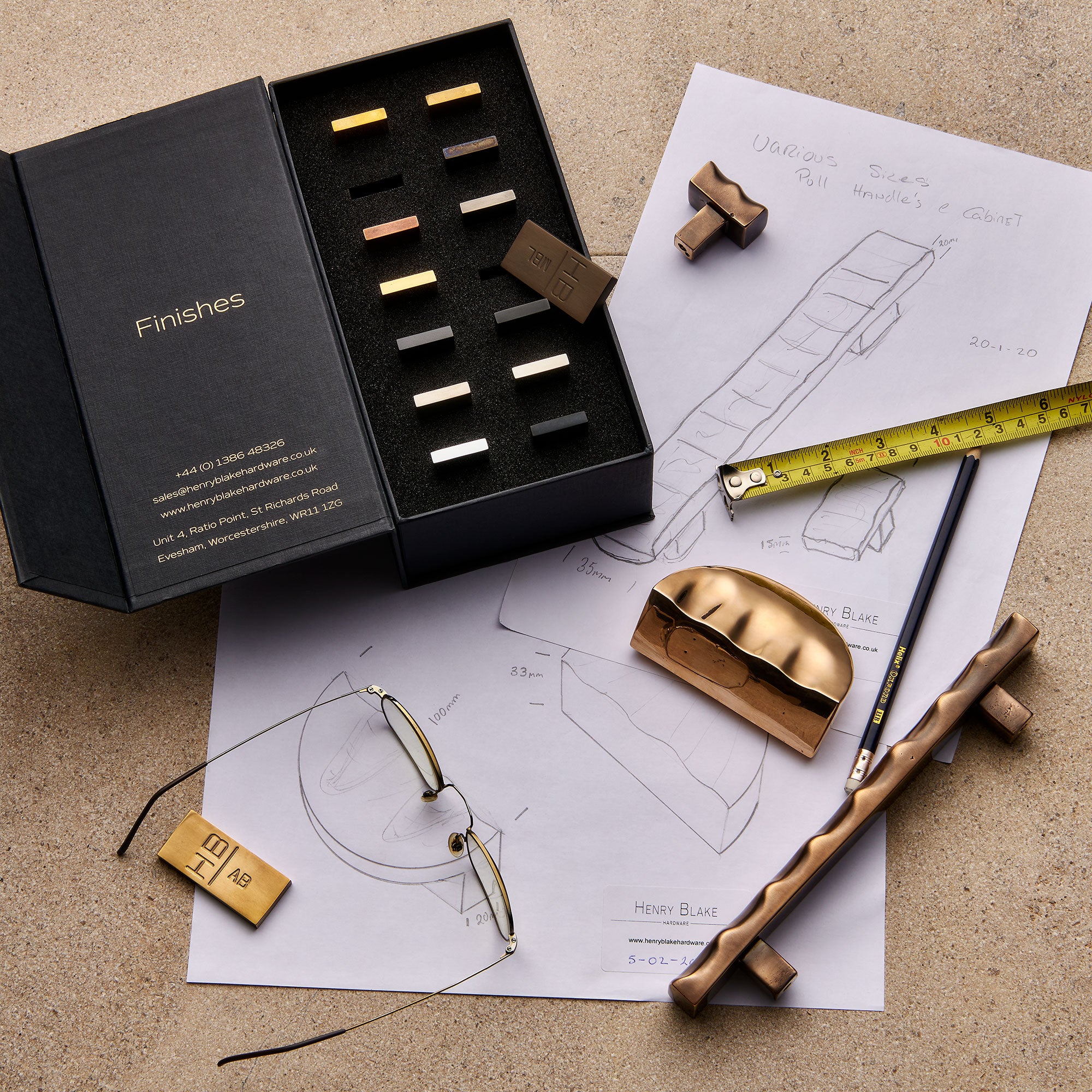
PVD finishes are an important part of this approach. PVD is an extremely thin but very hard coating that enhances the surface performance of the product. It improves resistance to wear and corrosion, while allowing Formani to create refined finishes with strong durability. This is especially relevant for projects where hardware is used intensively or exposed to more demanding conditions.
Sustainability is not treated as a separate layer. It is part of how the team thinks about product development, material performance, finish quality and long-term use.
What steps does Formani take to ensure collections are durable and built to last, and why does that matter for specification decisions?
Durability starts with the choice of materials, but it also depends on engineering, finish technology, testing and production control. Formani's products are developed to perform in real-life conditions, whether they are used in private residences, hotels, offices or public interiors.
This includes careful attention to construction, surface treatment, mechanical performance and compatibility with different project requirements. Finishes are developed with long-term use in mind, especially for environments where hardware is touched frequently or exposed to humidity, sunlight or coastal conditions.
For specifiers, this matters because hardware is not an element that should need constant replacement. Once specified, it becomes part of the architecture of the building. Choosing durable, well-engineered hardware helps protect the quality of the project over time and reduces the risk of maintenance issues, visual inconsistency or premature wear.
"Once specified, hardware becomes part of the architecture of the building. Choosing durable, well-engineered products helps protect the quality of the project over time."

What's next from Formani
Is there anything new or upcoming from Formani that architects and designers should have on their radar?
Formani recently launched a new catalogue introducing new products within existing collections as well as an expanded finish palette, including PVD champagne. There is also a growing focus on hospitality, with continued development of door hardware for use with electronic locking systems and access control solutions, supporting a wider range of commercial and hospitality projects while maintaining the same attention to design and finish consistency.
Worth noting too is the continued development of Luxury Hardware Group, of which Formani is part alongside Jolie Handles and Not Only White. The three brands bring complementary expertise across architectural hardware, cabinet and bathroom hardware, and high-end bathroom design. While each brand retains its own identity, they share a strong commitment to design, quality and materiality, which means architects and interior designers can draw on a joined-up perspective across more areas of an interior.
Something entirely new is also in development at Formani, though details have not yet been shared. One to watch.