
How to Choose Hardware Finishes: Your Questions Answered
Unsure whether to mix or match finishes? Unclear about how finishes age? Want to know more about brass, bronze, nickel and more? Our guide will help you specify hardware finishes with confidence.
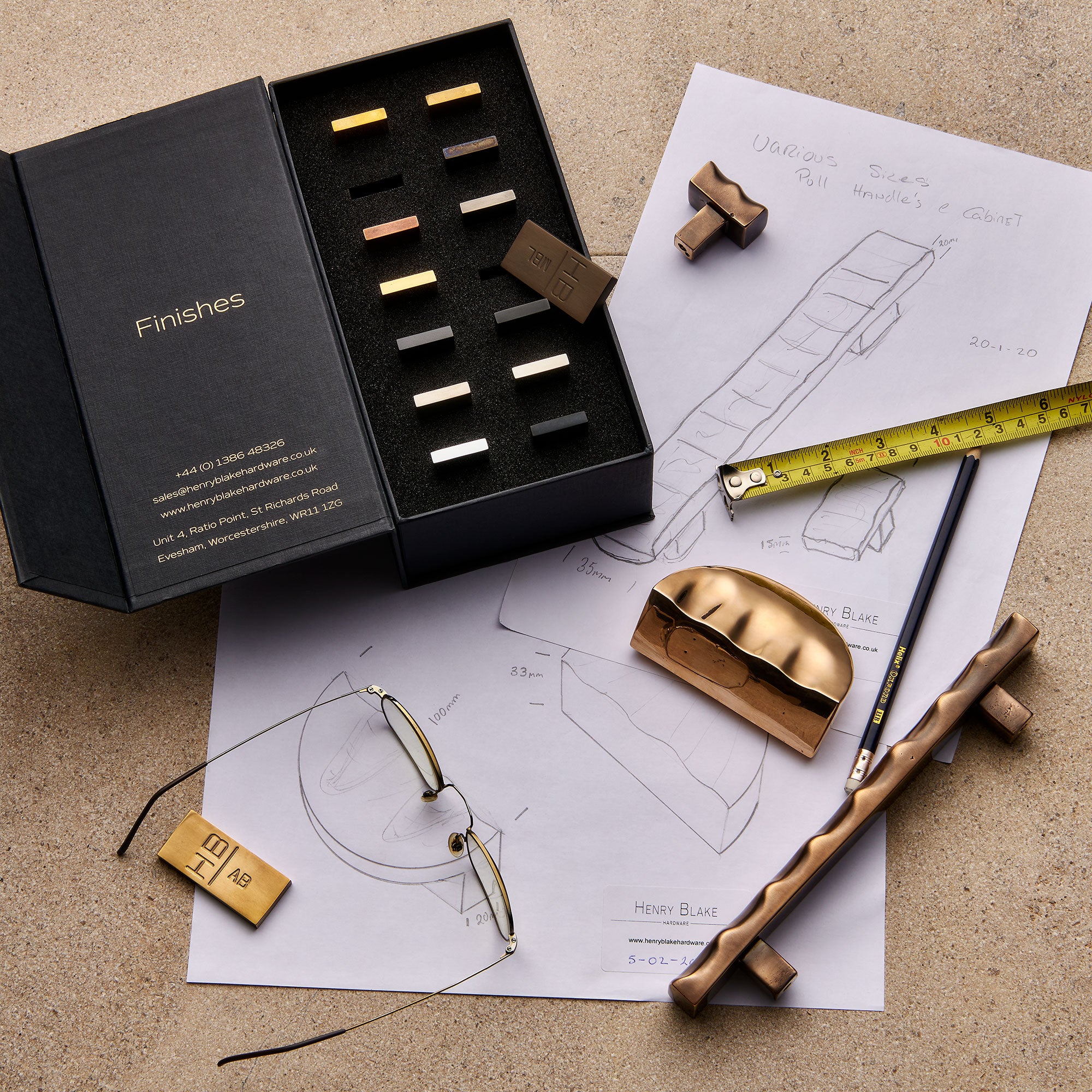
Choosing a hardware finish is much more than just a decorative decision. In addition to colour and sheen level, it is important to consider the overall design scheme, the architectural context, the ageing process of each finish and how easy it is to maintain. Knobs, pulls and handles may be relatively small details, but they play a vital role in the bigger picture, from initial installation to daily use over the years. Stewart Kent, co-founder of Courtyard, says: ‘Architectural hardware may seem like a finishing touch, but it is advisable to consider it very early in your planning. And bear in mind that choosing a finish is just as important as the design style and size of each piece.’
Where do I start when choosing hardware finishes for a design scheme?
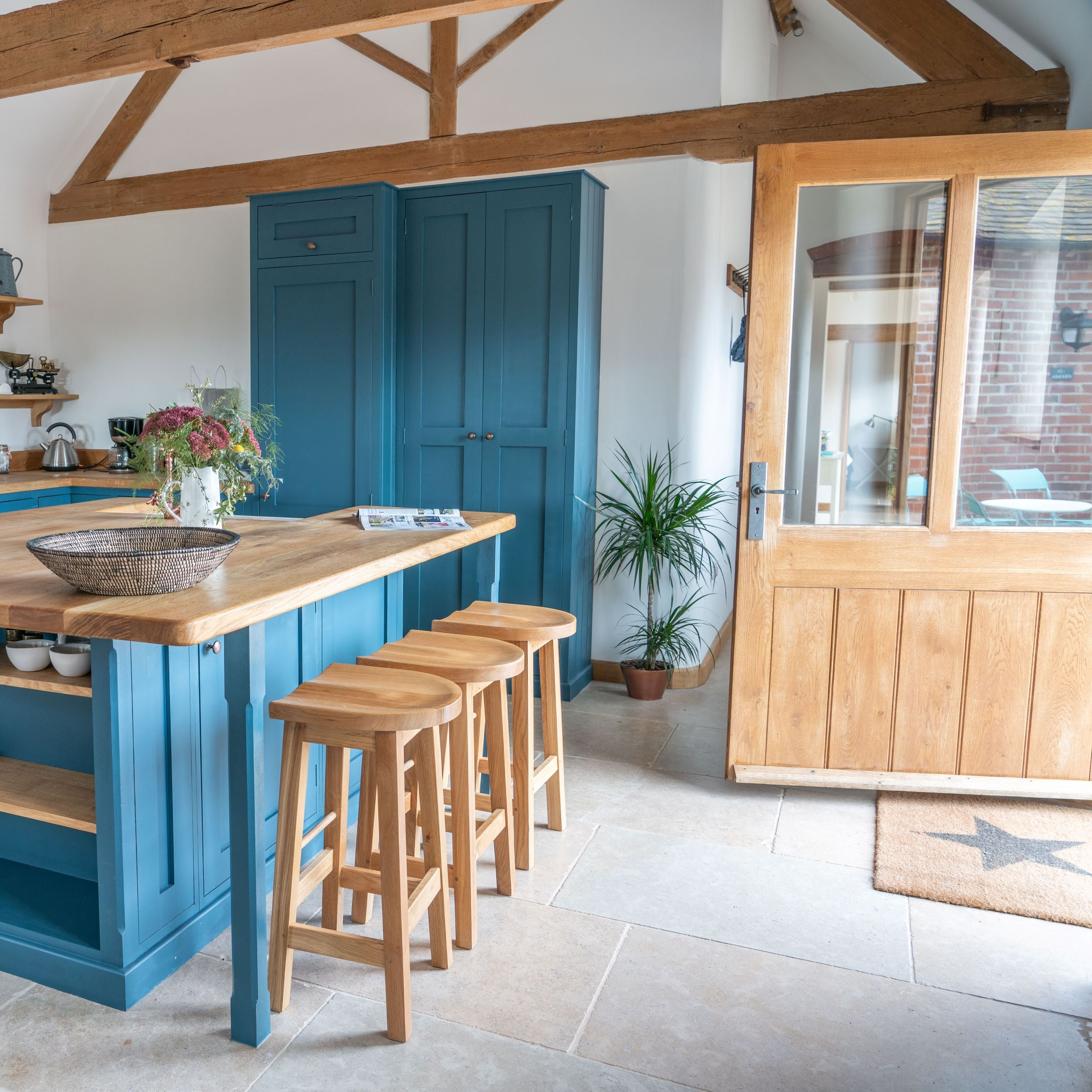
The age of your property is a good starting point. In an older property, finishes that pay homage to original details, or that have a ‘lived-in’ appearance, may be the most complementary. In a modern property, finishes with high shine and uniform surfaces can work well with understated architecture.
Highly reflective finishes tend to draw the eye, so if you prefer greater subtlety, opt for matte or brushed surface finishes. Another contextual element is how the hardware finish relates to other metallic components within the interior, and to the overall colour scheme. Warm metal finishes, such as brass, bronze and gold, sit beautifully with a gentle, earthy colour palette, while the cooler finishes of nickel, chrome or stainless steel sit well with grey-based and neutral schemes. ‘The goal is not to match everything exactly,’ says Stewart. ‘But the hardware finishes should work in harmony with the wider design.’

Is it better to mix or match hardware finishes?
Either can work well, it depends on the scheme. Matching suits formal or traditional spaces, where strict coherence emphasises the setting as a whole. Mixing finishes creates depth and interest, adding to the balanced feeling of a high-level scheme, whether period or modern.
To mix successfully, consider the tone of each metal and its level of sheen, looking for contrasts and avoiding accidental clashes. ‘It’s often a good idea to choose a dominant finish, then a secondary one, and perhaps a third, too,’ says Stewart. ‘Professionals use the 60:30:10 rule in many areas of design, and it can be very effective when mixing hardware finishes.’
Read all about how to mix metal finishes successfully here.
How can I decide between brass and bronze finishes?
It largely comes down to tone and setting. Brass finishes are brighter, shinier and more yellow-based, while bronze finishes are warmer, darker and more subtle in appearance. Both possess enduring appeal, offering timeless character, authenticity and versatility for many types of schemes, and both are highly durable, standing the test of time practically and aesthetically.
‘Consider a brass finish for traditional properties and for contemporary design schemes with dark colour palettes, where it will really stand out,’ says Kent. ‘Bronze is highly appropriate for heritage and rustic interiors, but also looks good in modern, minimal spaces with strong architectural lines.’
For more about choosing brass or bronze for looks and longevity, click here.

What other hardware finishes are available?
Although brass and bronze tend to be the most popular hardware finishes, there are a variety of alternatives. For both modern and traditional schemes, nickel is a sophisticated choice, says Stewart. ‘Nickel has a soft tone that sits somewhere between the warmth of brass and the coolness of chrome,’ he adds. ‘It’s timeless and highly appealing.’
Chrome, which is always a plated finish, is silvery and mirror-like. Often associated with bathrooms and kitchens, it is easy to care for and very durable. For those who enjoy this cooler end of the colour spectrum, aluminium (known for its affordability) and stainless steel (strong, long-lasting and very low-maintenance) are also options.
Copper, on the other hand, has an inimitable warmth and makes a strong statement, worth considering as a vivid contrast in a modern room or to complement a rustic scheme. Gold plating, of course, has a look and feel all of its own, instantly conveying a sense of luxury.
If you are looking for a bold, modern hardware finish, manufacturers offer several variations on dark grey and black, either lacquered or plated and with varying levels of sheen. They are usually known as graphite, matte black, iron, anthracite or gunmetal. At the other end of the spectrum, you’ll find white-coated finishes, and sometimes even a range of plating colours, which may suit a light-hearted modern scheme, or perhaps a child’s room.

Why is it important to know the difference between living, lacquered and plated finishes?
It affects how the hardware will look over time, and it may not be obvious from appearance alone. Living finishes are left uncoated, and will gradually develop a soft patina, according to how each piece is handled. Hardware with a lacquered finish has been given a protective coating that aims to preserve the item’s brand-new appearance, though lacquer is negatively affected by sea air and industrial pollution, so such pieces are best for indoor use. Plated finishes, and modern PVD coatings, are extremely durable and low maintenance, suitable for high-traffic areas and schemes where long-lasting consistency is desired.
Do hardware finishes change over time?
It depends entirely on the finish. Plated and PVD finishes should be impervious to corrosion, abrasion and wear for decades. High-quality lacquer finishes resist tarnish and oxidation, and should remain pristine for many years when used and cared for correctly.
Living finishes are a different matter entirely. Hardware with a living finish will darken as it ages, gradually developing a soft patina and a character all of its own. ‘Every item of unlacquered hardware ages differently,’ says Stewart. ‘This is the ideal finish for a project where you require authenticity and individuality.’
Learn more about the timeless beauty of unlacquered brass hardware here.
How do I care for different hardware finishes?
This depends on whether the finish is intended to age naturally or retain its original appearance. Living and lacquered finishes should be cleaned regularly using a mild, soapy solution and a soft, dry cloth. Always avoid abrasive cleaners, which could damage the surface. Living finishes can be polished occasionally using beeswax. Plated and PVD finishes simply need occasional cleaning with a damp cloth or soapy water.