
Every time we enter a room, we experience it physically as well as visually. And some rooms simply ‘feel’ better than others. Have you ever wondered why that is?
Designing for wellbeing and emotion
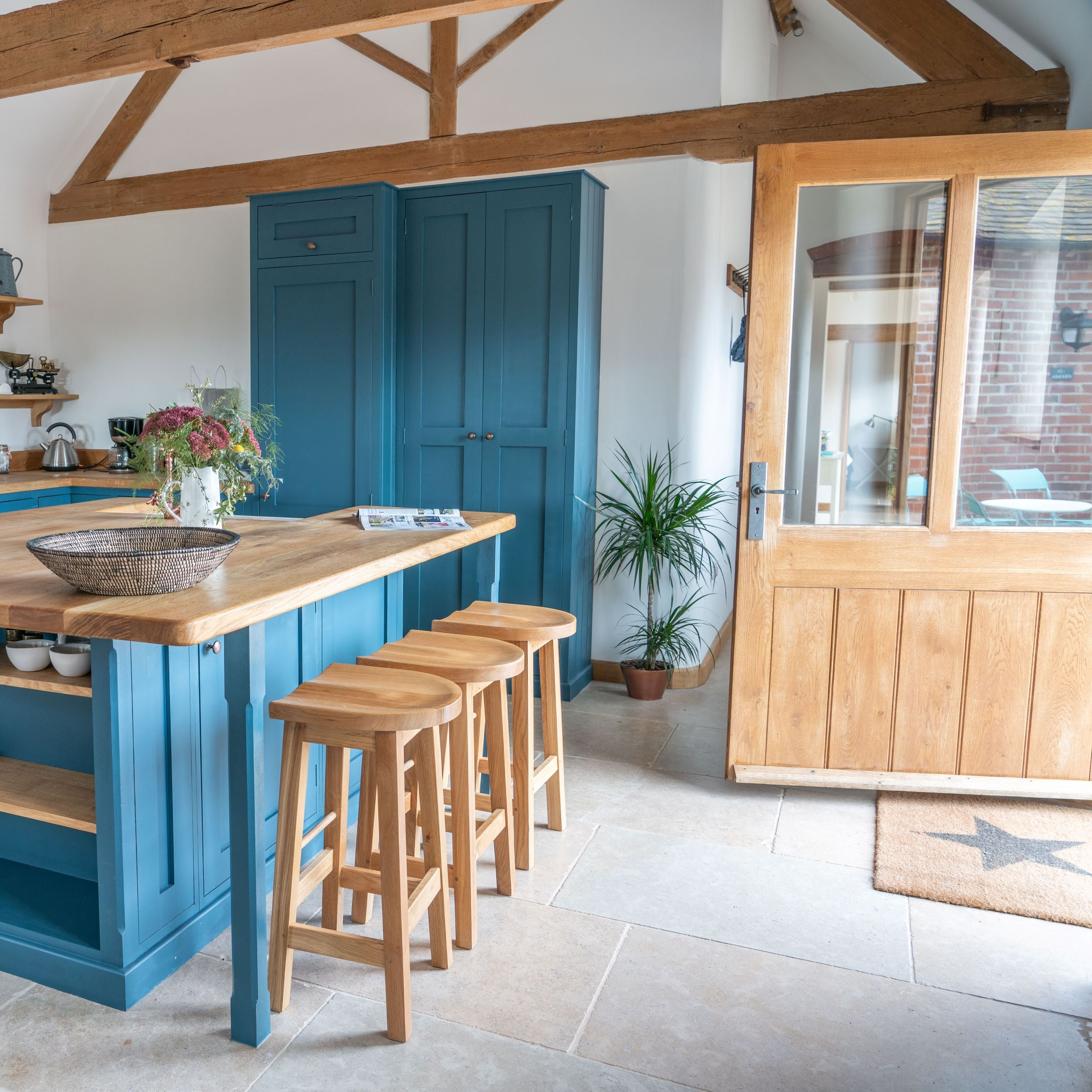
Every surface, texture and material contributes to atmosphere, and considering all the senses – from soft carpets to fresh-air scents – can help create spaces that nurture a real sense of wellbeing. Introducing natural materials, in particular, whether ceramic or stone, wool or linen, brass or bronze, fosters a harmonious, calming, grounding atmosphere, with studies showing that carefully implemented, biophilic design can even reduce blood pressure, heart rates and stress, and increase creativity and productivity. It’s about designing an interior to live in, not just to look at.

The importance of craftsmanship
Hand-made, hand-finished and bespoke objects tell a unique story, with every small variation and charming imperfection adding character and sensory appeal. This human element brings a warmth to interior architecture that’s a long way from mass-produced uniformity, and is highly rewarding to live with. Quality of care in making, from first sketch to finished object, also ensures performance and durability, in notable contrast to throwaway, fast fashion.

A tactile connection
Often overlooked, tactility is one of the most powerful elements of design, influencing our feelings of comfort as well as connection to a space through the objects with which we interact each day. It’s the small things – knobs, switches, pulls, handles and taps – that can make the most difference. Each one must be well proportioned to fit the hand, properly manufactured to function smoothly, and supremely comfortable to hold.

The feeling of quality
Just as importantly, our sense of ‘haptics’ influences how we feel about the things we touch, with every sensation, whether heavy or light, warm or cool, rough or smooth, sending a subconscious message about quality and authenticity. We know real metal feels cool, unlike room-temperature plastic, while items made from solid, durable materials are heavier and therefore immediately signal that they are higher quality. When you are looking for hardware that ‘feels right’ in the hand, Courtyard can help, we offer an extraordinary variety of premium hardware from globally renowned designers, each piece as beautiful as it is functional, and always reassuringly satisfying to touch.

Texture and finish
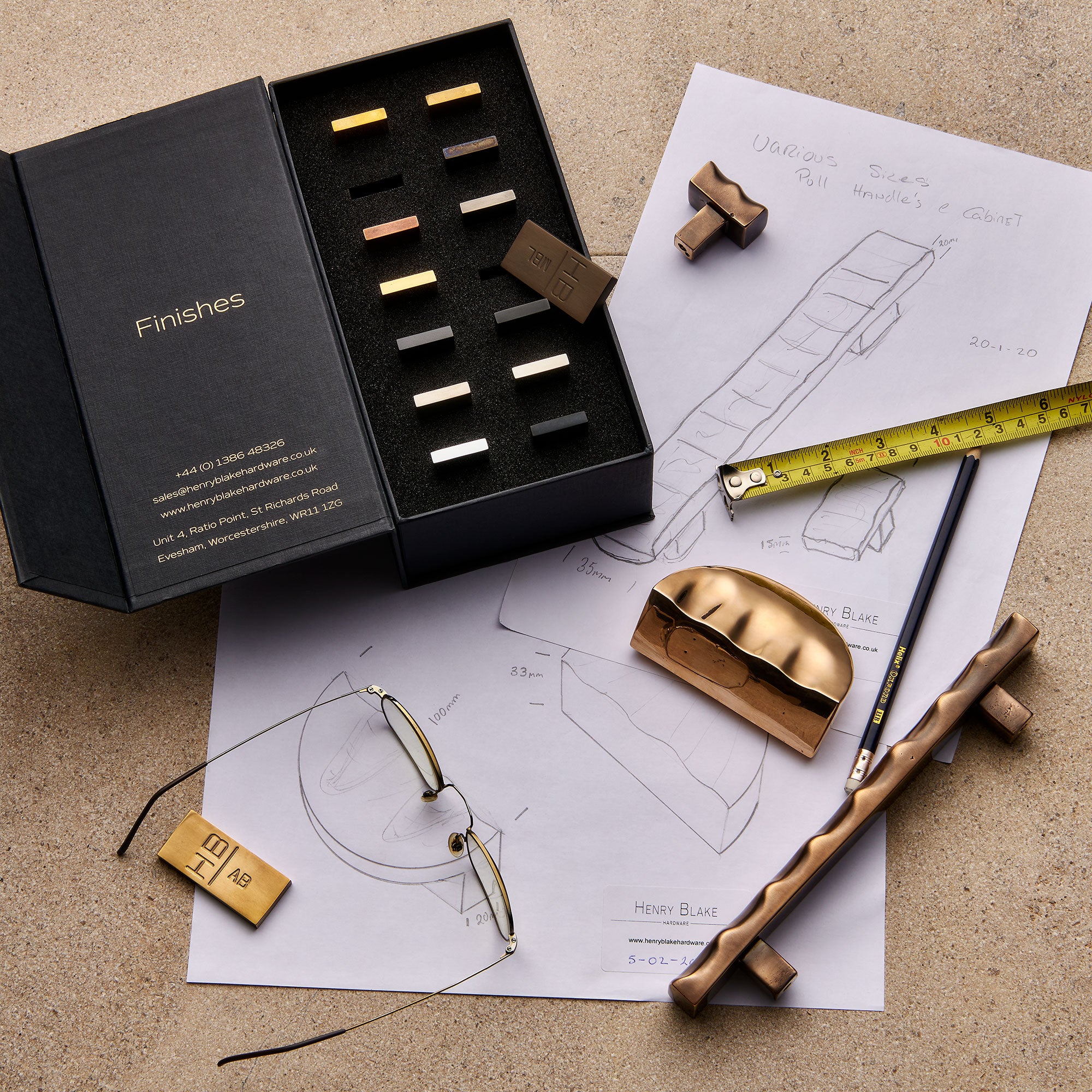
Combining different textures and finishes within an interior introduces depth and subtle visual rhythm. When selecting hardware finishes, polished brass, chrome or nickel lend brightness and a refined gleam that catches the light, while satin brass and nickel offer a softer, more understated warmth. Dark bronze and matte black, meanwhile, add richness and definition, with a more architectural approach. For an industrial look and feel, opt for the satisfying grip of a knurled finish, or consider stainless steel, the ultimate in modern, minimal styles. Natural materials such as horn, wood and bone offer distinctive character, while hammered detailing or the softly irregular surface created by sand casting adds another layer of tactile interest.

Durable beauty
A thoughtfully designed interior built around enduring, high-quality materials develops character over time, ageing with elegance rather than simply wearing out. Every touch to an item of hardware – whether sliding a door, opening a drawer or closing a cupboard – starts to slowly develop a beautiful patina, an accumulation of evidence of everyday life. This is real luxury design: longevity over trends, and lasting quality in which tactile materials are an essential part of the overall experience.